
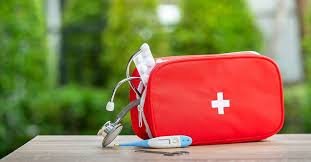
Burn injuries can happen unexpectedly at home, in kitchens, workplaces, restaurants, schools, and other environments. Hot liquids, flames, cooking equipment, electricity, steam, and chemicals can all cause burns. When an injury occurs, the first few minutes can be important, but confusion about first aid can sometimes lead people to do the wrong thing.
Many traditional home remedies for burns are still widely believed. People may recommend applying toothpaste, butter, oil, ice, creams, or other substances. However, several of these common practices are not recommended by modern first-aid guidance. Reliable organizations such as the NHS and British Red Cross recommend cooling a burn with cool running water and obtaining appropriate medical help when necessary.
Understanding the difference between burn first-aid myths and evidence-based guidance can help people respond more safely during an emergency.
What Is a Burn?
A burn occurs when the skin or underlying tissue is damaged by a source of heat or another harmful energy. Burns can result from flames, hot objects, hot liquids, steam, electricity, chemicals, or other sources.
A scald is a type of burn caused by hot liquid or steam. Although the causes can differ, immediate first-aid principles often focus on stopping the burning process, cooling the affected area, protecting the injury, and obtaining medical attention when appropriate.
The seriousness of a burn depends on factors such as its depth, size, location, cause, and the age and health of the affected person.
Myth 1: Put Ice Directly on a Burn
One of the most common myths is that ice is always the best way to cool a burn.
The fact
Ice or very cold substances should not normally be placed directly on a burn. Very cold temperatures can cause additional damage to already injured skin.
Instead, recognized first-aid guidance recommends cooling the affected area with cool running water. The British Red Cross recommends cooling a burn under cool running water for at least 20 minutes.
The purpose is to remove heat from the injured area without causing additional cold injury.
If running water is not immediately available, appropriate first-aid guidance may recommend using another cool, harmless liquid temporarily and switching to running water when possible.
Myth 2: Toothpaste Treats Burns
Toothpaste is sometimes recommended as a quick home remedy because it can produce a cooling sensation.
The fact
Toothpaste is not an appropriate first-aid treatment for burns. The cooling sensation does not mean that the burn itself is being properly treated.
The British Red Cross specifically advises against using toothpaste, butter, or creams on burns because these substances do not provide the appropriate cooling effect and may make later medical assessment or treatment more difficult.
The safest approach is to cool the burn with cool running water rather than experimenting with household products.
Myth 3: Butter or Oil Helps a Burn Heal
Another traditional belief is that butter or oil should be applied to burned skin.
The fact
Butter, oil, and greasy substances should not be used as emergency burn treatment. They do not provide the recommended cooling process, and oils can retain heat.
The British Red Cross explains that butter and cream contain oils that can retain heat, which is the opposite of what is required immediately after a burn.
First aid should focus on cooling the injury rather than covering it with household cooking products.
Myth 4: A Burn Should Be Covered Immediately Without Cooling It
Some people believe that covering a burn immediately is enough to protect it.
The fact
Cooling should come first when appropriate. The NHS recommends holding a burn under cool running water for 20 minutes. Once the burn has been cooled, it can be loosely covered to help protect the injured area.
The British Red Cross also recommends cooling first and then loosely covering the injury with cling film or a clean plastic bag.
Covering a burn without first cooling it does not replace the cooling process.
Myth 5: You Should Remove Clothing Stuck to the Burn
After a burn, people may immediately try to remove all clothing from the affected area.
The fact
Clothing or jewelry near a burn may need to be removed if it is not stuck to the skin. However, anything firmly stuck to the burned area should not be pulled away because doing so can cause additional injury.
The NHS and British Red Cross both advise leaving material that is stuck to the burn in place while cooling the affected area and seeking medical assistance when necessary.
This is especially important with serious burns involving clothing that has adhered to the skin.
Myth 6: All Burns Can Be Treated at Home
A small burn may sometimes be manageable with appropriate first aid, but assuming every burn can be treated at home is unsafe.
The fact
Some burns require professional medical assessment. Serious burns can involve deeper tissue, larger areas of the body, sensitive locations, or complications requiring specialized care.
The NHS notes that severe burns may require hospital treatment. The British Red Cross advises seeking medical advice when there is uncertainty about severity and specifically recommends medical advice for burns involving babies or children.
Medical attention is particularly important when a burn is extensive, deep, involves a sensitive area, results from electricity or chemicals, or causes other concerning symptoms.
Myth 7: Blisters Should Always Be Popped
Burn blisters can be tempting to open, especially when they become uncomfortable.
The fact
People should not intentionally break burn blisters themselves. Opening a blister can increase the risk of infection and further damage the injured skin.
For children, NHS guidance specifically advises against bursting burn blisters.
If a blister becomes a concern, medical professionals can determine the appropriate treatment.
Myth 8: Cold Water Means Extremely Cold Water
The phrase “cold water” can sometimes be misunderstood as meaning ice-cold water.
The fact
First-aid organizations generally recommend cool running water rather than ice or extremely cold water.
The goal is to cool the burn safely and reduce the heat in the injured tissue. The NHS recommends cool running water for around 20 minutes, while the British Red Cross gives the same 20-minute guidance.
When treating a child, it is also important to prevent the rest of the body from becoming excessively cold while the injured area is being cooled.
Myth 9: Pain Means the Burn Is Not Serious
Some people believe that a painful burn must be minor.
The fact
Pain alone cannot reliably determine the seriousness of a burn. Burns vary considerably in depth and extent, and serious injuries require proper assessment.
A burn may involve different layers of tissue, and its appearance can change over time. The location and size of the injury also matter.
Instead of judging severity only by pain, people should consider the circumstances of the injury and seek medical advice when there is uncertainty.
Myth 10: First Aid Is Only Necessary for Fire Burns
Burns are often associated with flames, but fire is only one possible cause.
The fact
Burns can also result from hot water, steam, electricity, chemicals, hot surfaces, and other sources. The NHS identifies dry heat, electricity, and chemicals as possible causes of burns, while hot liquids and steam can cause scalds.
Different causes can require additional precautions. Chemical and electrical burns, for example, should receive professional medical assessment because the injury may involve risks that are not immediately visible.
The Basic First-Aid Principle: Cool, Protect, and Get Help
For many ordinary thermal burns, a simple first-aid sequence is easier to remember than a long list of home remedies.
1. Stop the Burning Process
Move away from the source of heat when it is safe to do so. The priority is to stop further exposure.
If clothing is burning, the immediate goal is to extinguish the flames safely. The World Health Organization includes stopping the burning process as an important part of burn first aid.
2. Cool the Burn
Cool the affected area under cool running water for approximately 20 minutes.
The NHS recommends beginning cooling as soon as possible and states that cooling can still be useful when treatment does not begin immediately.
3. Remove Nearby Items Carefully
Remove jewelry or clothing near the affected area if they are not stuck to the skin. Do not pull away material that has adhered to the burn.
4. Cover the Burn
After cooling, the injury can be loosely covered with a clean, non-sticking material or suitable temporary covering according to first-aid guidance. The British Red Cross recommends cling film or a clean plastic bag for suitable burns.
5. Seek Medical Help When Needed
Medical attention should be obtained when the burn is serious, extensive, involves important areas of the body, results from certain causes, or occurs in a baby or child.
When in doubt about the severity of an injury, professional medical advice is safer than relying on a home remedy.
Burn First Aid for Children
Children require particular care because their skin is more vulnerable and burns can become serious quickly.
The British Red Cross recommends medical advice for children who have suffered burns, even when the injury initially appears limited.
Adults should focus on keeping the child calm, cooling the affected area appropriately, keeping the rest of the child warm, and obtaining medical help.
Children should not be expected to manage a burn emergency themselves.
Why Fire Safety and Burn First Aid Are Connected
Burn first aid is only one part of fire safety.
A good fire-safety plan aims to prevent injuries from happening in the first place. Smoke detection, fire alarms, safe cooking practices, appropriate fire protection equipment, emergency exits, evacuation planning, and regular maintenance all contribute to reducing the consequences of a fire.
A properly designed Fire alarm system in Pakistan can provide early warning when a fire is detected, giving occupants an opportunity to respond and evacuate according to their emergency plan.
However, an alarm does not replace first aid, fire prevention, evacuation planning, or professional emergency response. Each part of a safety program has a different purpose.
The Importance of Fire Alarm Systems
Fire alarms are designed to provide warning when a fire or conditions associated with fire are detected. Early warning can be particularly important in buildings where people may be asleep, working in different rooms, or unfamiliar with the building.
For homes and businesses, the appropriate alarm arrangement depends on factors such as building size, occupancy, layout, hazards, and applicable safety requirements.
Fire alarm systems should also be inspected, tested, and maintained appropriately. Installing an alarm and then ignoring it does not provide the same level of protection as a properly maintained system.
Preventing Burns at Home
Prevention remains one of the most effective ways to reduce burn injuries.
Simple precautions include:
- Keep hot liquids away from children.
- Keep cooking areas organized.
- Do not leave cooking equipment unnecessarily unattended.
- Keep handles and hot objects positioned safely.
- Maintain electrical appliances.
- Store chemicals safely.
- Keep matches and ignition sources away from children.
- Teach children to stay away from hot surfaces and cooking equipment.
- Keep emergency exits clear.
- Make sure suitable smoke and fire detection equipment is maintained.
The WHO identifies prevention measures such as safer cooking practices and improved burn-care systems as important parts of reducing the impact of burns.
Why First-Aid Training Matters
Knowing what not to do can be just as important as knowing what to do.
Someone who understands basic burn first aid is less likely to reach for toothpaste, butter, ice, or another inappropriate household remedy. Instead, they can focus on cooling the injury and getting appropriate help.
Formal first-aid training can also teach people how to respond to different emergencies and recognize situations requiring professional medical care.
Organizations such as the British Red Cross provide educational resources for learning burn first aid and emphasize the importance of appropriate immediate action.
Burn Safety in Pakistan
Homes and workplaces in Pakistan can face a variety of burn hazards, including cooking fires, gas-related incidents, hot liquids, electrical faults, and other sources of heat.
Fire safety planning should therefore consider both prevention and emergency response.
Businesses such as restaurants, hotels, schools, hospitals, offices, and factories may require more comprehensive fire-safety arrangements than a typical household. Their systems should be designed according to the building’s occupancy, hazards, applicable requirements, and professional assessment.
For information about fire-safety equipment and systems, Flame Defender can be used as a relevant resource for fire-safety information in Pakistan.
A Simple Burn First-Aid Myth Checklist
Before responding to a burn, remember:
- Do not put ice directly on the injury.
- Do not apply toothpaste.
- Do not apply butter or oil as a first-aid treatment.
- Do not intentionally burst blisters.
- Do not pull clothing stuck to the burned skin.
- Do cool the burn with cool running water.
- Do protect the cooled injury with an appropriate clean covering.
- Do seek medical attention when the injury is serious or you are uncertain.
- Do seek medical advice for a burned baby or child.
- Do keep overall fire safety and prevention in mind.
Conclusion
Burn first aid is surrounded by many traditional remedies and misconceptions. Some may sound logical because they provide a temporary sensation of cooling, but that does not mean they are appropriate treatments.
Modern first-aid guidance emphasizes cooling thermal burns with cool running water, avoiding ice and unsuitable household substances, protecting the injury afterward, and seeking professional medical care when required.
Good burn safety also starts before an injury occurs. Fire alarms, safe cooking practices, electrical safety, appropriate fire protection equipment, emergency planning, and first-aid knowledge can work together to reduce the consequences of fire-related emergencies.
The most important lesson is simple: when a burn occurs, avoid unproven home remedies and focus on recognized first-aid steps. Knowing the facts before an emergency happens can help people respond calmly and safely.
FAQs
1. Should toothpaste be applied to a burn?
No. Toothpaste is not recommended as burn first aid. It does not provide the appropriate cooling treatment and may make subsequent medical assessment more difficult.
2. Is ice safe for treating a burn?
Ice should not normally be placed directly on a burn. Cool running water is recommended instead because extremely cold temperatures can cause additional skin damage.
3. How long should a burn be cooled with running water?
For ordinary thermal burns, recognized first-aid guidance recommends cooling the affected area under cool running water for at least 20 minutes.
4. Should burn blisters be popped?
No. Burn blisters should not be intentionally burst because doing so can increase the risk of infection and further injury.
5. When should someone seek medical help for a burn?
Medical advice should be obtained when a burn is serious, extensive, involves a sensitive area, results from electricity or chemicals, or when there is uncertainty about its severity. Burns in babies and children should receive medical advice as well.